A gift for my good friend @dawnfelagund – one of her favourite elves in watercolor
This week was rather challenging work-wise, but I came home one day to this stunning painting from my friend Hrymfaxe! It made the struggle worth it. 😀
I’m officially adopting this Maedhros into my Republic of Tirion verse–man-bun and all!
Disclaimer: Here is a blend of Original Tolkien creations (aka my best efforts at recreating the author’s drawing), modifications on the original, and designs completely from cloth.
The banner for the Fëanorians is reddish-orange stripes on a gray field with a yellow insert (I’ll post all the matching banners once I finish the sigils), so I decided there needed to be a simplified version of Fëanorian troops without the yellow insert, a general war banner if you will, with only the Star of Fëanor. Which, if you can tell- the star on Fëanor’s sigil is completely different from the star on the Doors of Moria, and I ended up using the star pattern as symbolic of the Noldor in Exile as a group. But Celebrimbor also needed a sigil, because he though he repudiated his father and uncles he still periodically claimed his place as a scion of House Fëanor. So this is also his sigil.
Lot of stars, but red-orange background.
I borrowed Dawn Felagund’s ideas from Another Man’s Cage about some of the wives of the seven sons, namely that there was one or two Noldor lords living in the area that would become Formenos (royal hunting park, perhaps?), at least one of them a heavily Fëanorian partisan. Thus the sigil I nicknamed Formenos, for the family of Curufin or Caranthir’s wife.
Sort of says here’s a fiery elf with little issues with arson and larceny, necessary requirements for that bunch.
Either one, if you pressed gun to my head and demanded a sigil for Miríel TherindëSerindë I guess could work. She’s near the bottom of the list of female elves I like, but as these are both circular design feel free to assign such.
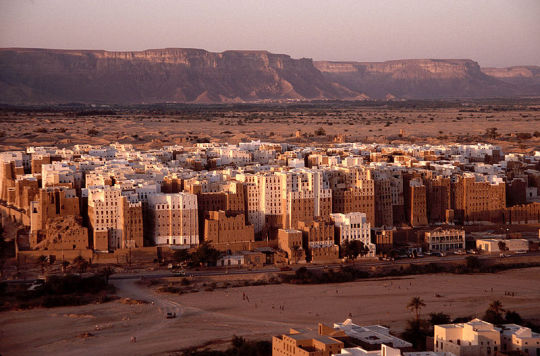
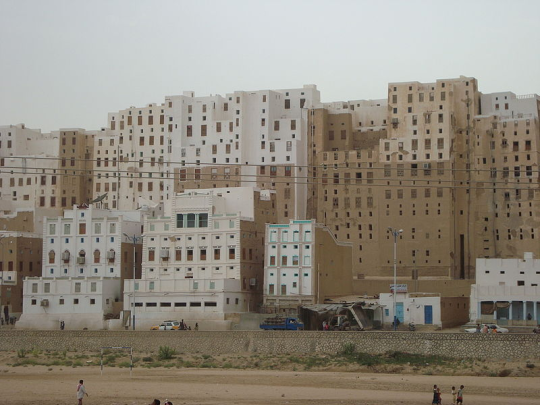
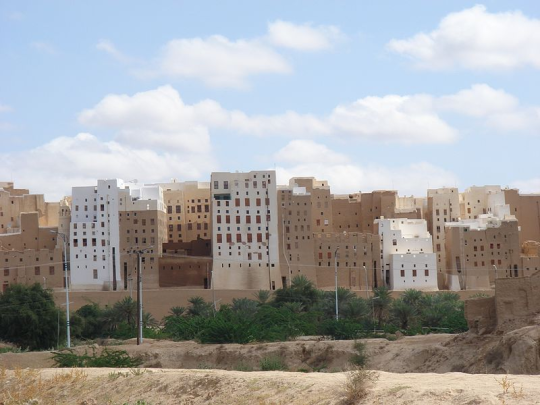
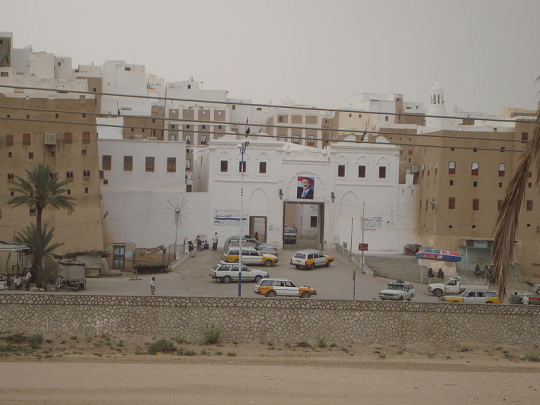
Shibam, which is now a UNESCOWorld Heritage Site, is known for its distinct architecture. The houses of Shibam are all made out of mud brick, and about 500 of them are tower blocks, which rise 5 to 11 stories high, with each floor having one or two rooms. While Shibam has been in existence for an estimated 1,700 years, most of the city’s houses originate from the 16th century. Many, though, have been rebuilt numerous times in the last few centuries.
Shibam is often called “the oldest skyscraper city in the world”. It is one of the oldest and best examples of urban planning based on the principle of vertical construction. The city has some of the tallest mud buildings in the world, with some of them over 30 m (98 feet) high, thus being early high-riseapartment buildings. In order to protect the buildings from rain and erosion, the walls must be routinely maintained by applying fresh layers of mud.
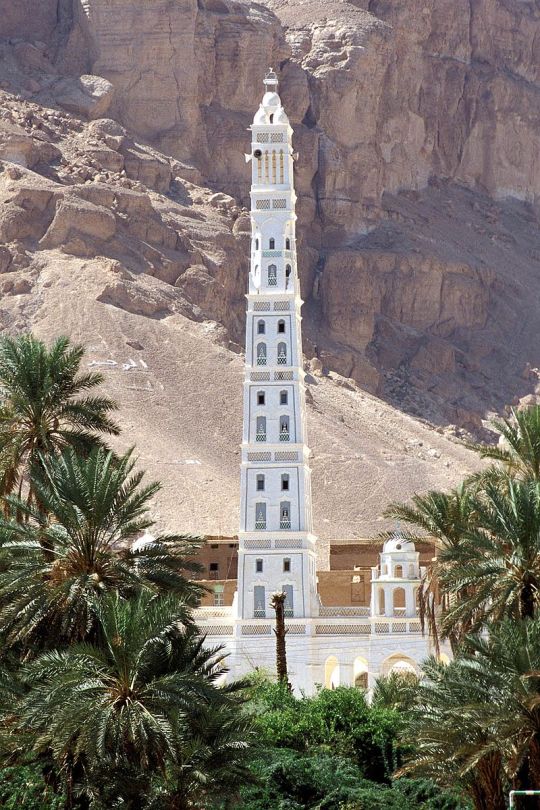
The minaret of the Al-Muhdhar Mosque at the nearby city of Tarim is 53 metres (175 ft) high, and recognized as one of the tallest earth structures in the world.
so I guess technically chicago is the shibam of illinois!


 Heartofoshun's place